Ready to start your journey?
If you’re looking to build your brand, then whatever step of the journey you’re on, we’re here to help.
Let’s have a chat
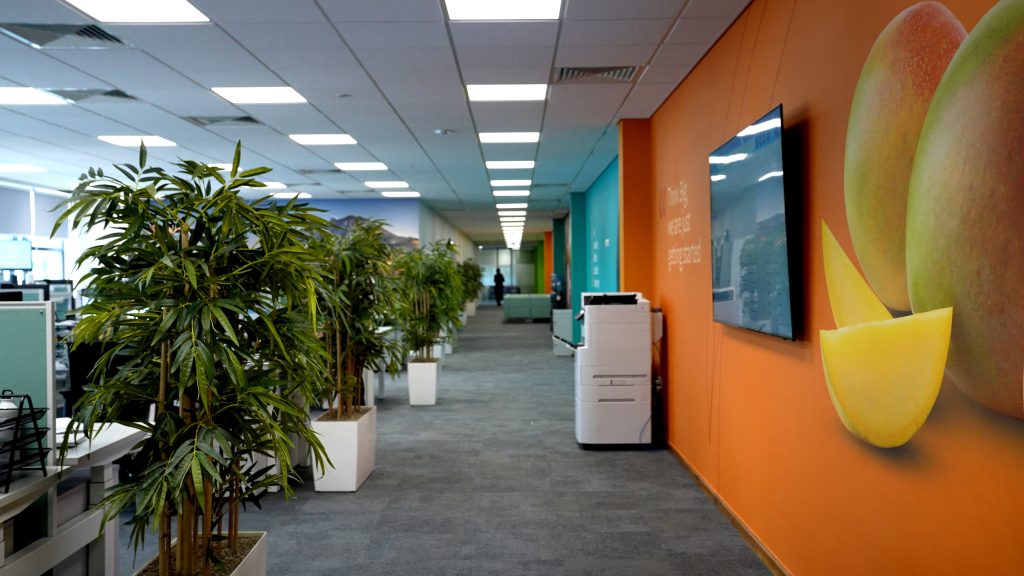
Most brands think of design as something people look at. Environmental design is something people move through.
It’s the difference between a space that is simply built and a space that changes behaviour, builds trust, and quietly influences decision-making without ever needing to explain itself.
At hue, we see environmental design as one of the most underused brand tools available today. Not because it’s new, but because it’s often misunderstood. It’s not interior design. It’s not signage. It’s not decoration.
It’s brand thinking, made physical.
Every environment communicates something.
A reception desk says something about hierarchy.
A window display says something about confidence.
A corridor says something about intention — or lack of it.
Even when a space hasn’t been designed well, it still communicates. Usually just not what the brand intended.
Environmental design starts with a simple shift in thinking:
you are not filling space, you are shaping behaviour.
Where people look.
Where they pause.
Where they trust.
Where they decide to stay longer or leave sooner.
None of this is accidental in well-designed environments.
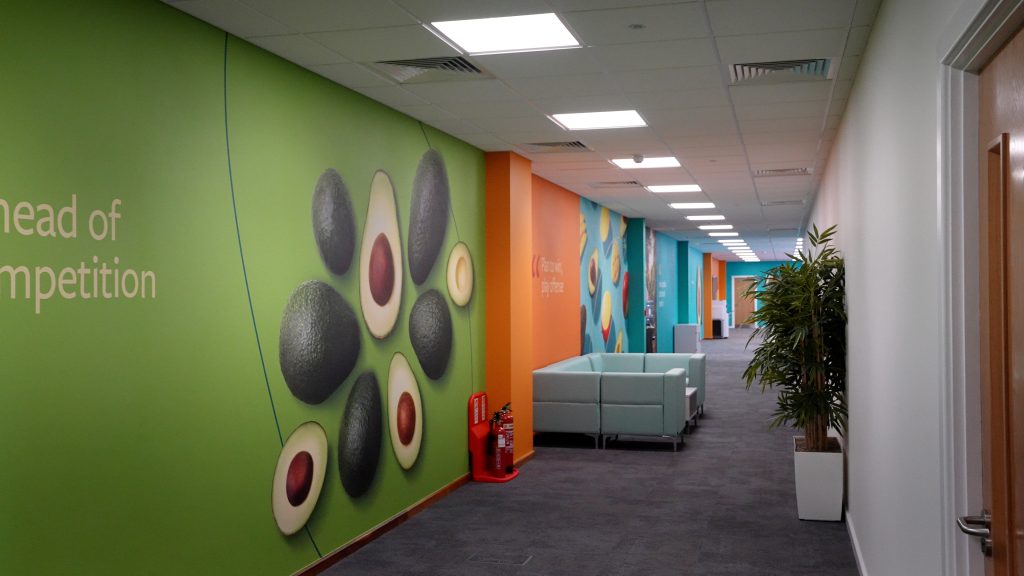
Traditional branding focuses on recognition – logos, colours, tone of voice.
Environmental design asks a different question:
What does it feel like to be here?
Because the experience of a brand is rarely formed on a website or in a brochure. It’s formed in physical moments:
These micro-decisions shape perception far more than most visual identity systems ever will.
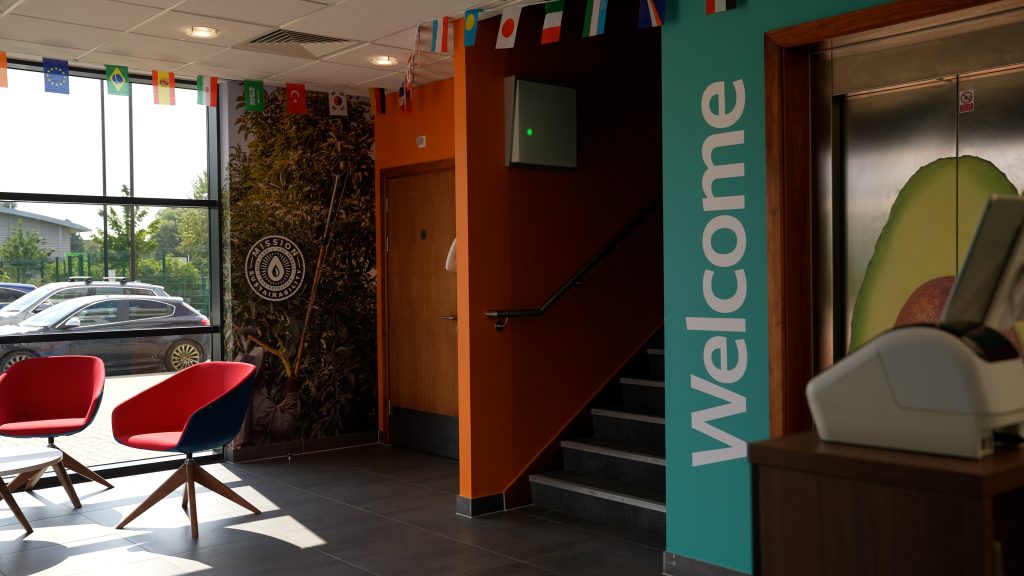
For Mission Produce, the challenge wasn’t visibility, it was translation.
How do you take a global supply chain, built on logistics, precision, and scale, and make it feel human, clear, and immediate in physical space?
The answer wasn’t to add more design.
It was to simplify what the environment was asking people to understand.
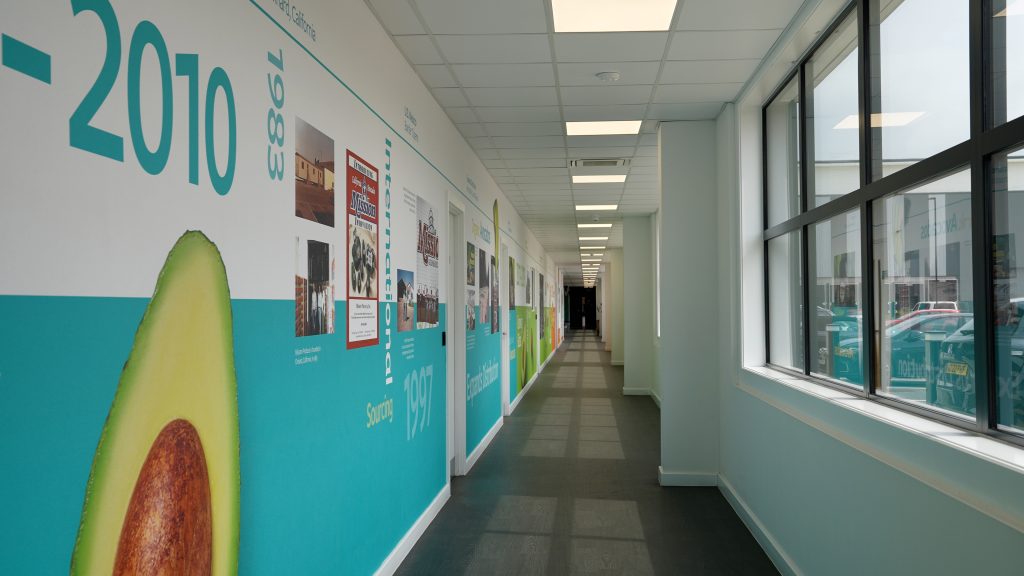
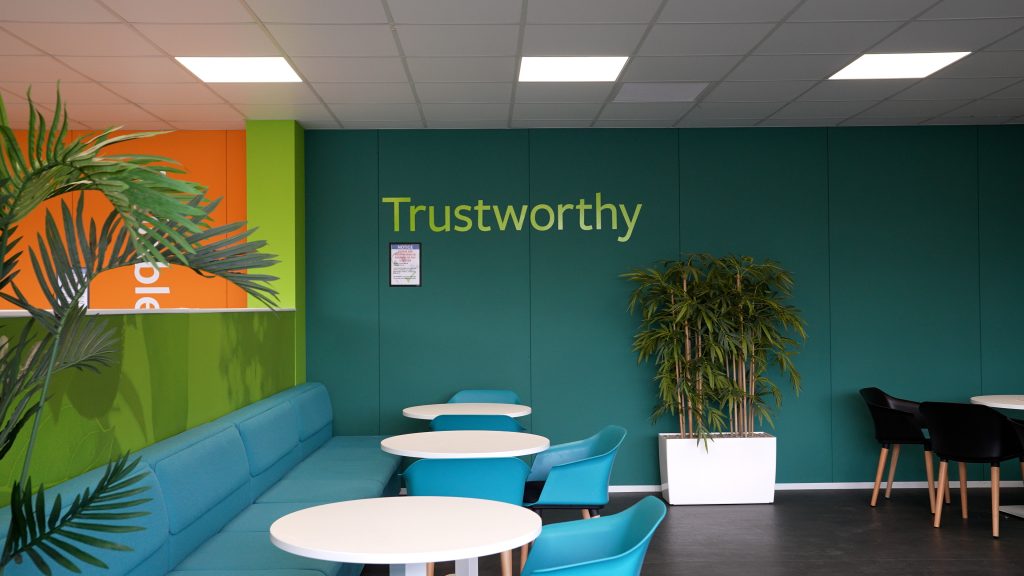
We focused on clarity of journey, reduction of noise, and a visual language that reflected control and freshness — the same principles that define the product itself.
The result wasn’t a “branded space” in the traditional sense.
It was a space that behaved like the brand.
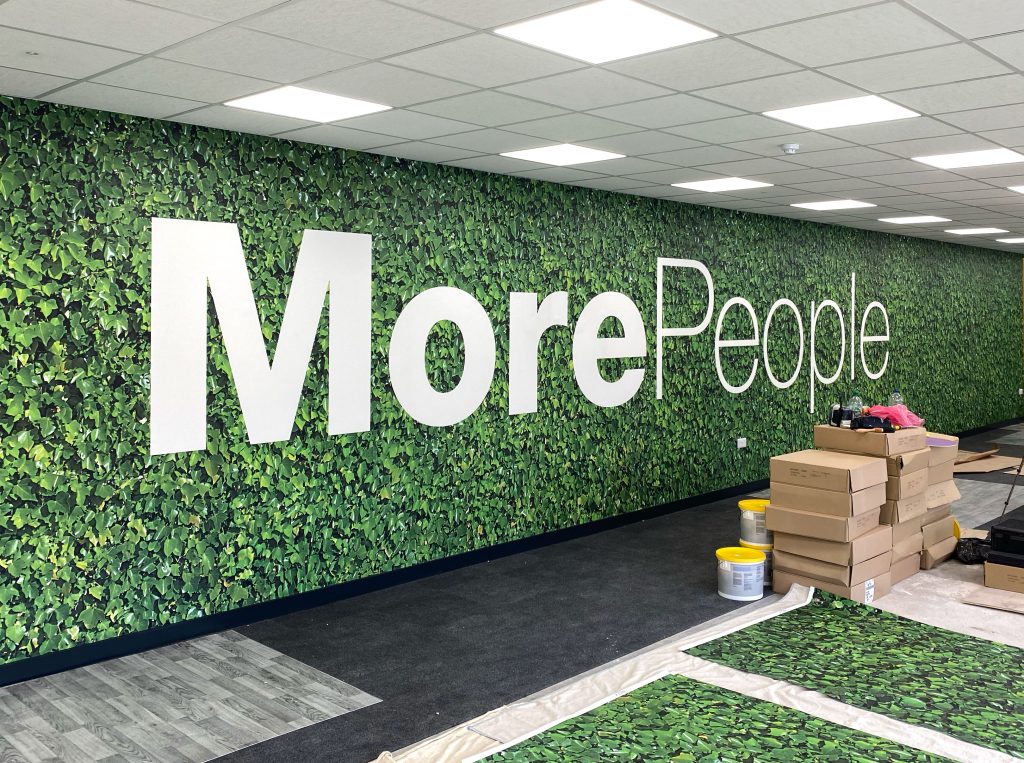
Recruitment is a sector built on conversation, but first impressions rarely begin with conversation.
They begin with environment.
For MorePeople, the challenge was perception. Recruitment spaces can easily feel transactional: process-driven, busy, and interchangeable.
We helped shift that experience towards something more human.
The goal wasn’t to over-design the space, but to remove the friction that stops people feeling at ease. Clear navigation. Calm structure. A sense of approachability that reflects the people-first nature of the business.
Because in recruitment, trust is the product.
And trust starts before a word is spoken.
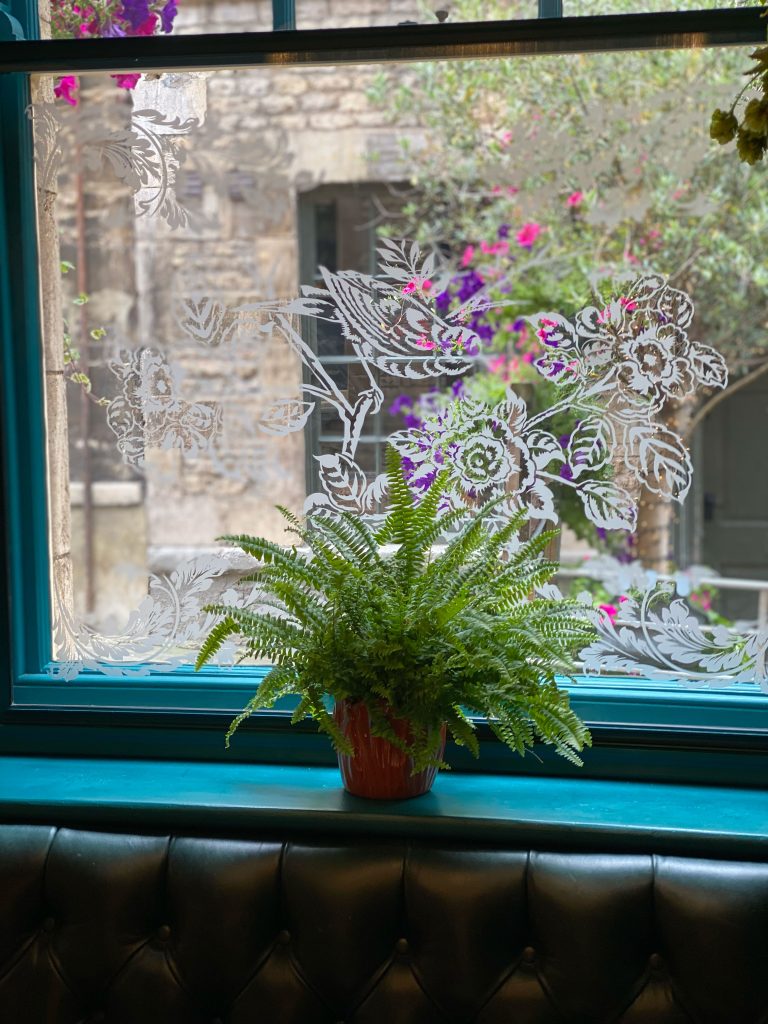
Hospitality brands often focus heavily on interiors – lighting, furniture, atmosphere.
But for KNEAD, we’ve been exploring something earlier in the journey: the street.
Windows, frontage, signage, thresholds — these are the first interactions a guest has with a space.
Before they experience the menu, the service, or the atmosphere, they’ve already made a judgement.
Environmental design begins at the point of approach, not entry.
A well-considered exterior doesn’t just attract attention. It sets expectation.
And expectation is what every experience is measured against.
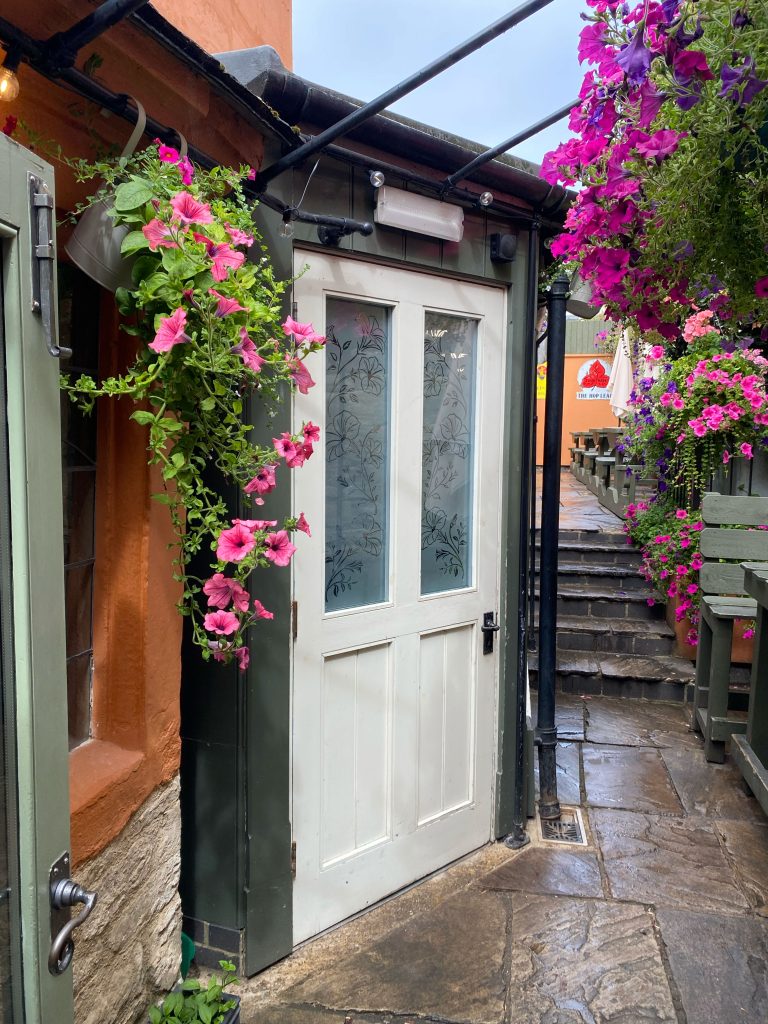
As more brands compete in physical and hybrid spaces, consistency across touchpoints is no longer enough.
What matters is continuity of experience.
Environmental design is where a brand stops being something people recognise and becomes something they experience.
It’s not about making spaces look better.
It’s about making them work harder.
If branding is what you say, environmental design is what you do when no one is explaining it for you.
And in many cases, that’s where the decision is made.
Ready to start your journey?
If you’re looking to build your brand, then whatever step of the journey you’re on, we’re here to help.
Let’s have a chat
A brand is more than how it looks. It’s how it communicates, connects and makes people feel.
Read More
10.11.26
The strongest brands and campaigns don’t start with more ideas. They start with the right one.
Read More
14.10.26
It starts with a strong idea, but the best ideas don’t just work once. They adapt, connect and work harder across every channel.
Read More
14.09.26